Disability Risk in the Mining Industry — Why Now, More Than Ever, You Need to Safeguard Your Income
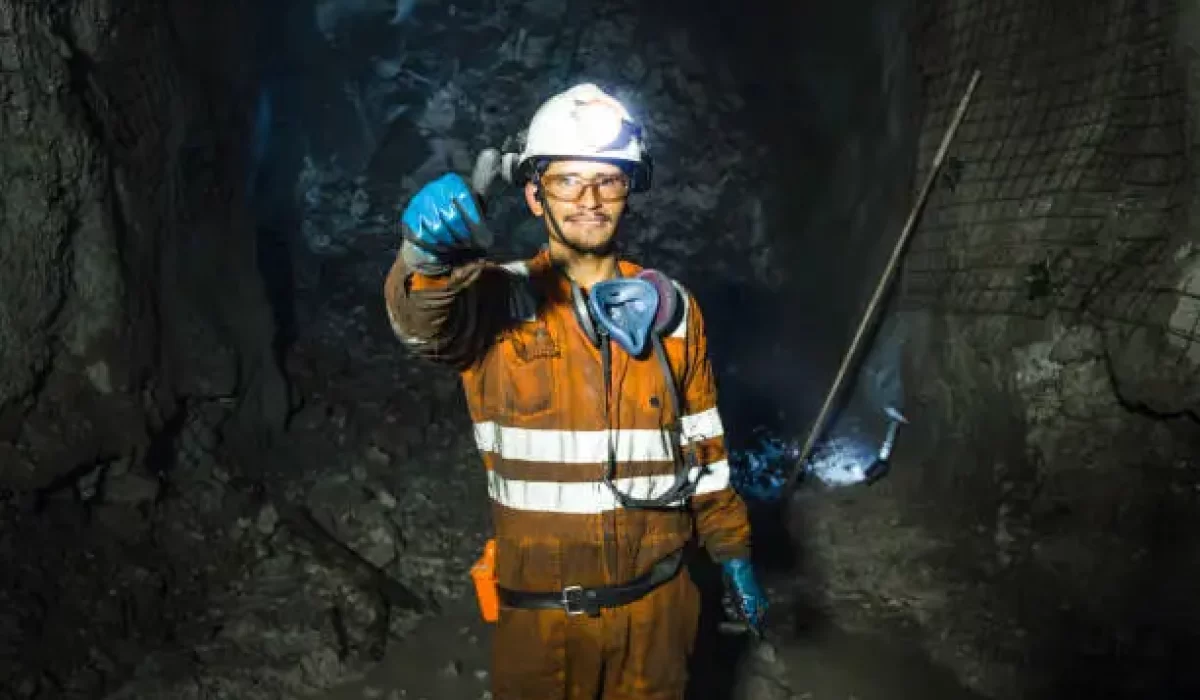
Mining is one of Canada’s defining industries. With federal and provincial governments now actively pushing to expand resource development—especially in critical minerals—Ontario is poised for a surge in mining activity. But with opportunity comes risk, particularly for the men and women who work underground, in remote camps, and in physically strenuous environments.
The New Push on Critical Minerals & Resource Development
Recent announcements underscore the urgency governments place on mining growth:
-
Ontario is rolling out a $500 million Critical Minerals Processing Fund, meant to ensure that resources extracted in the province can be processed locally rather than shipped away.
-
The province’s 2025 budget includes C$3.1 billion in new supports (loans, grants, guarantees) targeting critical minerals, infrastructure, and Indigenous partnerships.
-
Legislation is in the works (or underway) to cut mining project approval times by half, via the “One Project, One Process” model.
-
Ontario’s new Critical Minerals Talent Strategy aims to train a new generation of skilled labour for the growing mining and battery sectors.
-
At the federal level, Canada’s Critical Minerals Strategy continues to facilitate coordinated national efforts, integrate Indigenous partnerships, and support domestic supply chains.
Because of these shifts, mining activity could accelerate faster than many expect—and that means more workers in the field, more wear and tear, and greater reliance on robust benefit coverage.
Why Miners Are at Elevated Disability Risk
Mining remains among the most physically and environmentally challenging workplaces:
-
Heavy lifting, vibration, awkward postures, confined space work, and long shifts contribute to musculoskeletal injuries (back, joints, shoulders).
-
Exposure to dust, chemicals, noise, and extreme conditions heightens risks of respiratory illness, hearing loss, and other systemic conditions.
-
Accidents, falls, cave-ins, equipment failure, and heavy machinery incidents remain a persistent hazard. Even with best practices, mining has a higher incidence of workplace injuries than many sectors.
-
The mental health toll is also meaningful: remote locations, shift work (especially nights), time away from family, and pressure on performance can increase rates of anxiety, depression, and fatigue-related errors.
The WSIB + LTD Equation: Why You Need Both
A common misconception is that WSIB (or equivalent provincial workers’ compensation) will be sufficient if a miner is hurt or ill. Here’s what many workers don’t realize:
-
WSIB only applies if the injury or illness is work-related (i.e. causally connected). If you fall ill from a non-occupational disease, WSIB won’t help.
-
Even when WSIB applies, compensation is limited (wage replacement formulas, caps, etc.), and not always sufficient to maintain your standard of living. Often WSIB may only agree to cover your disability for a period of time they deem relevant to your initial injury – despite ongoing limitations.
-
LTD coverage is designed to respond when you cannot work due to disease or injury—whether or not the cause is work-related.
-
Even if a WSIB claim is accepted, you should still apply for LTD. Insurers sometimes deny LTD benefits citing overlap with WSIB; don’t let that prevent you from asserting your rights.
-
Coordinating WSIB with LTD claims can strengthen your overall position—especially if your disabling condition extends beyond what WSIB covers.
What Every Miner Should Do About Their LTD Policy
Given the pressures and risks of mining life—and the current growth trajectory of the sector—here is a practical checklist for miners (or their families) to assess their LTD protection:
-
Benefit level: Ensure your policy aims to replaceas much of your pre-tax salary (and bonuses/overtime) as possible (less deductions). Many policies cap benefits or only replace a fraction of income.
-
Own-occupation vs Any-occupation definitions: A policy that defines disability only as inability to work any occupation is far less favourable—especially for people with specialized skills (e.g. underground miner).
-
Waiting period: Know how long you must wait (e.g. 90, 120, 180 days) before benefits kick in. For many workers, that’s a long time.
-
Optional or supplemental top-ups: If your base plan is insufficient, see whether there are “top-up” or additional optional benefits you can elect (family add-ons, residual benefits, etc.).
-
Coordination with other benefits: Some LTD policies reduce benefits by the amount received from WSIB, CPP disability, or other sources—understand how those offsets apply.
-
Claim documentation and medical proof: Be diligent about medical evidence, timely notices, and full disclosure.
-
Appeals and termination risk: Even approved LTD claims can be reviewed, reduced, or terminated. Make sure you are ready to advocate and, if necessary, appeal.
A Call to Miners: Don’t Wait Until It’s Too Late
Mining is gaining fresh urgency from governments and markets alike—and your protections need to match that momentum. If you are a miner (or family of one), consider:
-
Having us review your LTD policy (and compare it to your WSIB or provincial equivalent) to spot gaps, limits, or risks.
-
Reaching out early if a claim is delayed, denied, or your employer indicates termination.
-
Ensuring you are tracking all medical, occupational, and workplace documentation.
-
Monitoring changes in mining legislation or government policy that may affect how claims are handled or regulated (for example, faster permitting may increase mining activity, but also raise potential for more claims).
If you’d like us to review your benefits, consult on a denied or terminated LTD claim, or just get a second opinion — please don’t hesitate to contact us. Miners help power Canada’s future. Make sure you’re protected today.